
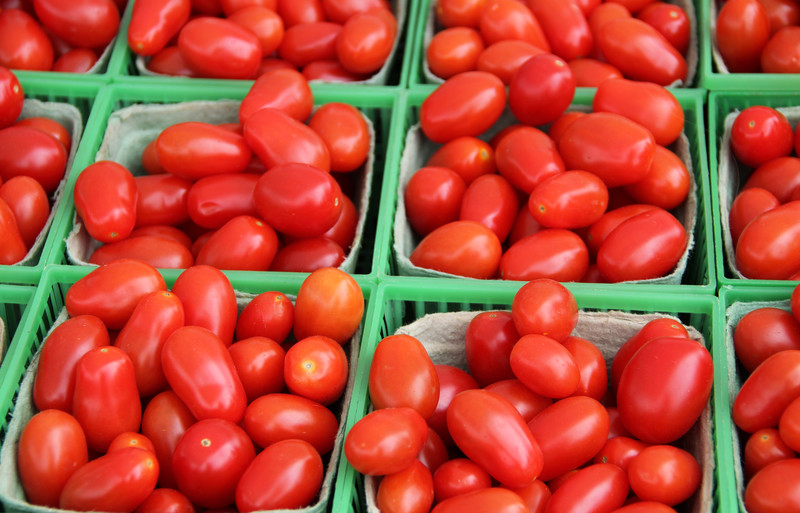
 Let’s say you’ve decided to follow through on Jo Robinson’s perceptive recommendation to eat grape tomatoes, which she reports is the most nutrient-dense tomato available. You decide you want to get all the lycopene your little grape tomatoes offer. So you stew them or perhaps microwave them, which is what the literature suggests is necessary to get the most lycopene from tomatoes. At what point does the cooking ruin the health benefits of the tomato? When do they become so soft that they are processed rapidly to blood sugar and cause dangerous glucose spikes? And at what point does the cooking form excessive Advanced Glycation Endproducts?
These are questions that Sunday’s Guest Expert, Dr. Jaime Uribarri, knows a lot about. Drs. Uribarri and Vlasarra and their colleagues have spent years figuring out how to measure AGE in foods and what kind of cooking methods are best. Their influence caused us, even though we never eat fried foods, to change our cooking to lower heating methods. Thus, blanching and steaming became the CR Way mode.
Still there are a few foods we enjoy that are relatively high in AGE. One is canned salmon, which we raised as a potential question for Dr. Uribarri at the teleconference.
But what about AGE in you and your skin: Should we avoid ultraviolet light exposure for fear of increasing AGE? And what about high fat diets: Fats are known for increasing AGE. Do your cells become more prone to AGE buildup when your fat intake is significantly increased?
We expect that you will add your questions to the “broth.” You can pose them at the teleconference or send them to us to pass on to our AGE Guest Expert.
Leave a Reply