
 Yesterday’s teleconference with Dr. Michael Rosen was extraordinary. He came prepared to discuss subjects that are of utmost importance to LivingTheCRWay members. This included bone health and how to use urine and blood tests to evaluate bone formation status. The discussion extended to calcification in arteries- Vitamin D3 and D1, parathyroid hormone, calcium intake and phosphorus were considered.
Dr. Rosen made us aware of the important and overlooked risk factor of serum phosphorus and artery calcification.
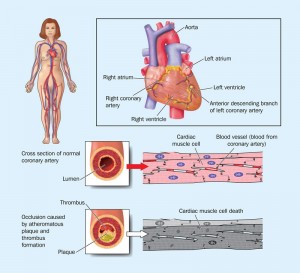
Coronary artery calcification is common, even among healthy adults. Controlling phosphorus levels (lower is better) is a possible way to delay or prevent calcium deposits in arteries. Excess phosphorus is related to increased disease risk:
Dietary phosphorus excess: a risk factor in chronic bone, kidney, and cardiovascular disease?
Adv Nutr. 2013 Sep 1;4(5):542-4. doi: 10.3945/an.113.004234.
Uribarri J, Calvo MS.
Source
Department of Medicine, The Mount Sinai School of Medicine, New York, NY.
Abstract
There is growing evidence in the nephrology literature supporting the deleterious health effect of excess dietary phosphorus intake. This issue has largely escaped the attention of nutrition experts until this symposium, which raised the question of whether the same health concerns should be extended to the general population. The potential hazard of a high phosphorus intake in the healthy population is illustrated by findings from acute and epidemiologic studies. Acute studies in healthy young adults demonstrate that phosphorus intakes in excess of nutrient needs may significantly disrupt the hormonal regulation of phosphorus contributing to disordered mineral metabolism, vascular calcification, bone loss, and impaired kidney function.
One of the hormonal factors acutely affected by dietary phosphorus loading is fibroblast growth factor-23, which may be a key factor responsible for many of the cardiovascular disease (CVD) complications of high phosphorus intake. Increasingly, large epidemiological studies suggest that mild elevations of serum phosphorus within the normal range are associated with CVD risk in healthy populations. Few population studies link high dietary phosphorus intake to mild changes in serum phosphorus due to study design issues specific to phosphorus and inaccurate nutrient composition databases. The increasing phosphorus intake due to the use of phosphorus-containing ingredients in processed food and the growing consumption of processed convenience and fast foods is an important factor that needs to be emphasized.
PMID:24038251
Another aspect of the discussion covered gastrointestinal health and the ways Dr. Rosen works with his patents to improve their gut microbiomes. He mentioned citrulline as a possible indicator of microbial health in the gut. Finding easy-to-test clinical markers of gut health would be a breakthrough.
We encourage full members to listen to the teleconference recording under Dr. Michael Rosen in the Expert Teleconference section.
Leave a Reply