
On April 1, primate researchers from the University of Wisconsin published a paper,* affirming that caloric restriction (CR) without malnutrition significantly improves age-related and all-cause survival in rhesus monkeys. The researchers point out that their data contrasts with findings in the widely reported 2012 National Institutes of Aging study, where CR was not seen to… read more
General
Setting the Record Straight: Calorie Restriction and the Rhesus Monkey Research
The calorie restriction and longevity communities thank University of Wisconsin scientists for setting the record straight about calorie restriction. Their paper leaves no doubt that CR protects against disease and extends life: Caloric restriction reduces age-related and all-cause mortality in rhesus monkeys.* Another extremely important finding that applies to millions of humans: Modest calorie restriction… read more
Primate Study Confirms: Calorie Restriction Extends Life and Protects against Age-related Disease

Last week, the Wisconsin rhesus monkey study released results that put to rest the notion that that calorie restriction does not extend life in non-human primates. What caused the confusion is that in August 2012 scientists at the National Institute of Aging released a paper that produced worldwide attention, Impact of caloric restriction on health… read more
The tall don’t always die young!
We have a saying we often bandy about: “The small shall inherit the earth.” And, indeed, knowing that eating fewer calories can lead to a longer and better life, I am envious of those who are short and can take in few calories to maintain their smaller body structure. Some who follow a low-calorie lifestyle… read more
Reversing Age-Related Decline
We are often seen in media reports, showing people how to start a healthy low-calorie diet, which we welcome as part of our mission. But for those who want the best chance to be part of a Utopian future, we have some important news: The opportunity to reverse or slow many age-related declines that are… read more
Try Ketogenesis the CR Way
The LivingtheCRWay ketogenesis teleconference with Dave Brauer and Dr. Tom Seyfried is next Saturday at 5 pm (ET). Mark your calendars: This extraordinary opportunity may well be life-saving or at least life-changing. All contributing members are invited to participate. Dave is a highly intelligent, diligent member of LivingTheCRWay and a friend for many years. He… read more
Advanced Glycation Endproducts in Cooked Tomatoes and Salmon?
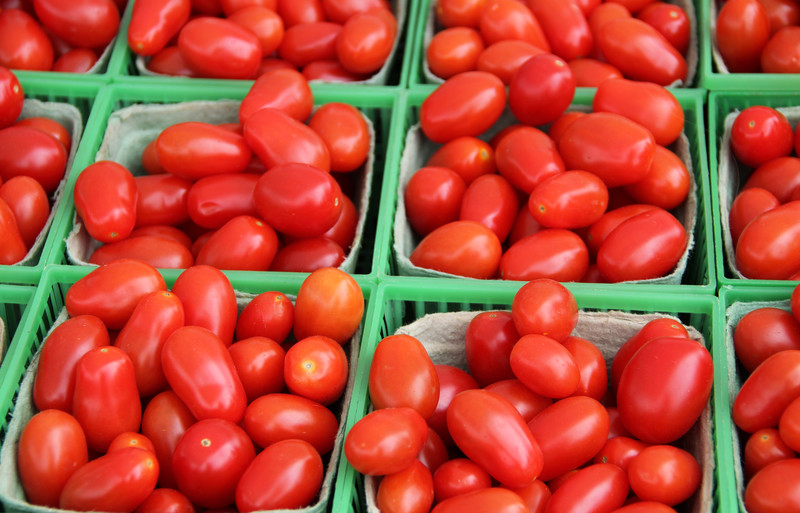
Let’s say you’ve decided to follow through on Jo Robinson’s perceptive recommendation to eat grape tomatoes, which she reports is the most nutrient-dense tomato available. You decide you want to get all the lycopene your little grape tomatoes offer. So you stew them or perhaps microwave them, which is what the literature suggests is necessary… read more
Advanced Glycation Endproducts in Food – Teleconference on What to do about it
We first became aware of Advanced Glycation Endproducts (AGE) through the work of Jaime Uribarri and Helen Vlasarra They researched methods of food preparation – considering broiling, frying, roasting, boiling and how they affect AGE content of various foods. They also looked at the tendency of various carbohydrates, proteins, and fats for their AGE-forming potential.… read more
Cognitive Aging Expert, Dr. Timothy Salthouse, to Appear on LivingTheCRWay Teleconference

At long last, we have been able to schedule a Brain Booster teleconference date for Dr. Timothy Salthouse, leading expert on the decline with age of cognitive capabilities: Saturday, March 8, 4:00 pm (ET). Most people think cognitive decline begins in the 50s, 60s, or beyond – but that’s just when it becomes noticeable. According… read more
Eating on the Wild Side – Free to New Full Members of LivingTheCRWay.com
Celebrated author, Jo Robinson, was a recent guest on LivingTheCRWay’s Expert Teleconference series. In a clear, down-to-earth way she explained how we have bred fruits and vegetables that have far fewer phytonutrients than in the original plants, which grew wild. She started by talking about the wild strawberry (remember the small ones you used to… read more