
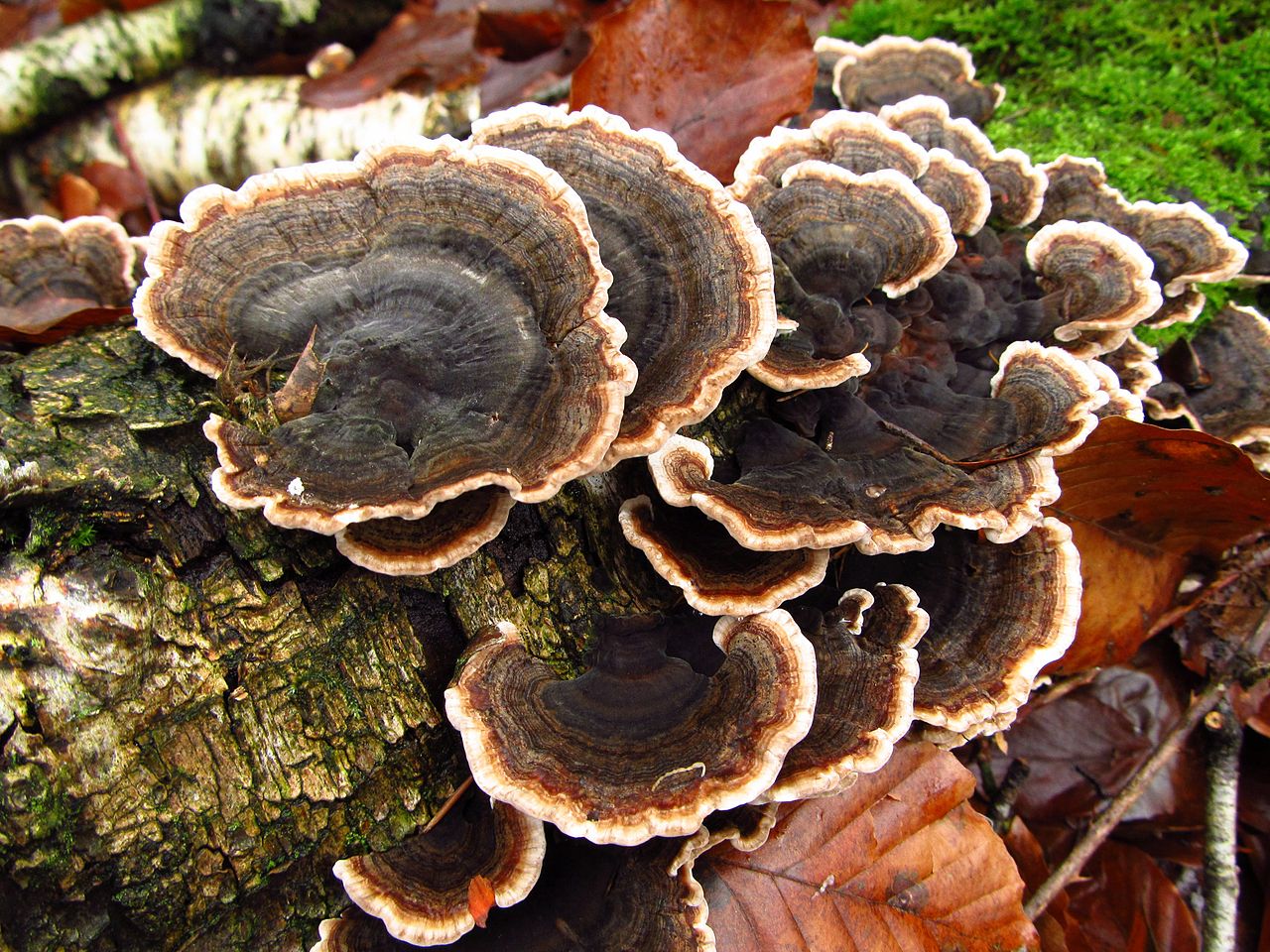
Have you ever thought about using mushrooms to fight cancer? One CR Way doctor prescribes twice daily shiitake mushroom intake for his cancer patients. Yet, when a CR Way member participated in a Sloan Kettering study that looked at Maitake D-fraction (a popular maitake extract) for its ability to fight cancer, the trial was stopped halfway through because no positive results were shown.
Lots of studies show that various kinds of mushrooms have positive effects on the immune system. Occasionally, studies are reported showing positive effects on cancer. For example, turkey tails have been in the media because the well-known mycologist, Paul Stamets, used them to cure his mother from cancer.
Note that Stamets’ mother did not rely on mushrooms alone to fight her cancer. She also used cancer drugs.
We suggest finding an expert physician who specializes in the type of cancer you have. Make sure they help you set a testing protocol that indicates improvement or deterioration of your condition. With that in place, consider adding mushrooms to your diet. At the very least, you will get nutritional benefits, and you might get immune enhancements that could make a significant difference in your outcome.*
Many posts on the CR Way talk about portabella, crimini or other exotic mushrooms that can be expensive. But don’t let that stop your enjoyment of mushrooms. The common white button mushroom is chocked full of benefits.
Here’s more on white button mushrooms from Mushrooms and Health 2014: Clinical and Nutritional Studies in Humans Report,prepared for Mushrooms and Health Global Initiative, June 2014*
“In comparison to common vegetables, the common white button mushroom (Agaricus bisporus) remains a remarkable source of protein, phosphorus, magnesium and vitamin D. Human trials have demonstrated the bioavailability of vitamin D2 from UV-B-irradiated button mushrooms in healthy adults deficient in serum 25-hydroxyvitamin D. Furthermore, the bioavailability of vitamin D2 from vitamin D2-enhanced button mushrooms via UV-B irradiation was effective in improving vitamin D status and not different to a vitamin D2 supplement. Mushrooms are one of the very few foods that provide a natural source of vitamin D. Biosynthesis of vitamin D levels from 7ergosterols in mushrooms can be significantly enhanced by exposure to sunlight or ultraviolet light post-harvest (e.g. during drying).Vitamin D is an important factor for immune function.”
For more on mushrooms, read:
Crimini Mushrooms – High in B12
Leave a Reply